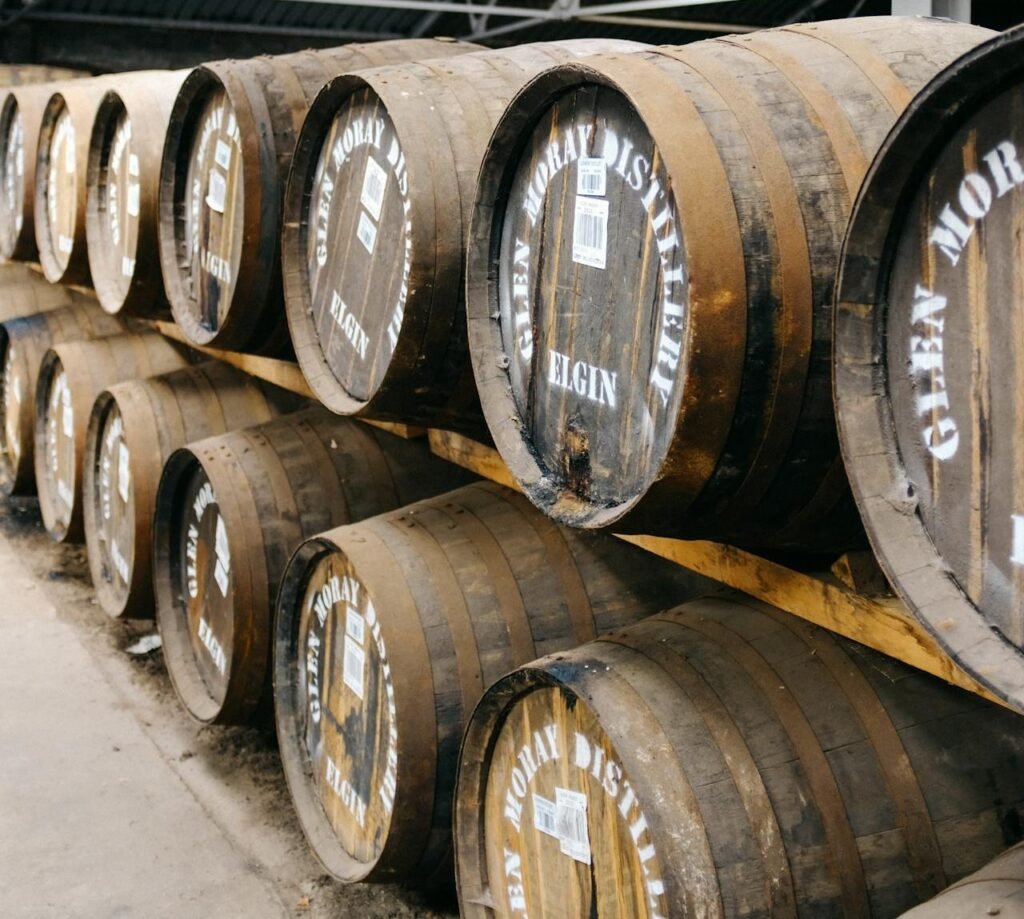
The rare whisky market in 2026 has entered a period of sophisticated rebalancing. After the speculative “hype cycles” of the early 2020s, the market for rare whisky investment in 2026 has matured into a two-tier system: one focused on ultra-rare collectible bottles and another on the booming trade of maturing casks.
Whether you are a seasoned collector or a new investor, 2026 offers unique entry points —provided you understand the new regulatory and geopolitical landscape.
1. Market Sentiment: From “Flipping” to “Fundamentals”
In 2026, the era of buying a limited-release bottle and selling it for a 300% profit within a month is largely over. Instead, the market is rewarding strategic patience.
Auction Performance: While high-end auction volumes for some “super-premium” labels saw a cooling period in late 2025, mid-range rare whiskies (£1,000 to £10,000) have remained resilient, acting as a “safe haven” for alternative asset investors. Whisky Investments
The “Cask Surge”: Cask investment has become the preferred vehicle for long-term growth, with average annual returns of 12–15% reported over the last decade. Investors are increasingly targeting “young-make” spirit (4–12 years) with the intent to hold until the 18-year “premiumization cliff.”
2. The “India Alpha”: A Global Catalyst
The most significant market mover in 2026 is the UK-India Free Trade Agreement (FTA). Signed in late 2025 and entering its full implementation phase this year, the deal has reshaped global demand.
Tariff Cliff: Import duties on Scotch whisky in India were immediately halved from 150% to 75%, with a roadmap to reach 40% over the next decade. Whisky International Online
New Wealth: India is now the world’s largest consumer of whisky by volume. As tariffs drop, tens of millions of Indian consumers are “uptrading” to single malts, creating a massive supply-demand squeeze for aged stock (18+ years).The Drinks Business
3. Investment Channels: Bottles vs. Casks
Investors in 2026 must choose their “vessel” carefully. Each carries distinct risk profiles and tax implications.
| Feature | Rare Bottles | Whisky Casks |
| Minimum Entry | £100+ | £2,500+ |
| Liquidity | High (Auctions/Exchanges) | Low (Multi-year maturation) |
| Risk | Breakage, Forgery | Evaporation (Angel’s Share), Fraud |
| Primary Driver | Scarcity & Brand Equity | Age & Quality of Spirit |
4. Top Investment Picks for 2026
Data from the Knight Frank Rare Whisky Index and recent World Whiskies Awards highlight several standout performers:
The “Silent” Distilleries: Ghost distilleries like Brora and Port Ellen continue to command record prices due to absolute finite supply.
Independent Standouts: 2026 has seen a surge in interest for small-batch releases from Isle of Harris (The Hearach) and Lochranza, which offer lower entry points with high speculative upside.
The “New World” Contenders: Japanese whiskies featuring Mizunara oak finishes and award-winning Indian malts (like Amrut and Paul John) are now essential components of a diversified spirits portfolio.
5. Regulatory Warning: Navigating Scams
As the market grows, so does the risk of fraud. In 2026, UK authorities have significantly tightened the “WOWGR” (Warehousekeepers and Owners of Warehoused Goods Regulations) to protect private investors.
Crucial Rule for 2026: Never buy a cask without a Delivery Order (DO). This is the legal document that proves you—not the broker—own the spirit at the warehouse level.
Mark Littler
Red Flags to Watch For:
Guaranteed returns (Nothing in whisky is “guaranteed”).
Pressure to invest quickly (Whisky matures slowly; your decision should too).
Whisky Invest DirectCompanies without a physical presence or verifiable HMRC-approved storage.
Final Outlook
The outlook for rare whisky in 2026 is cautiously bullish. With the “India Alpha” providing a long-term demand floor and new digital platforms increasing market transparency, whisky remains one of the world’s most compelling alternative assets.